Slideshows
© Shutterstock
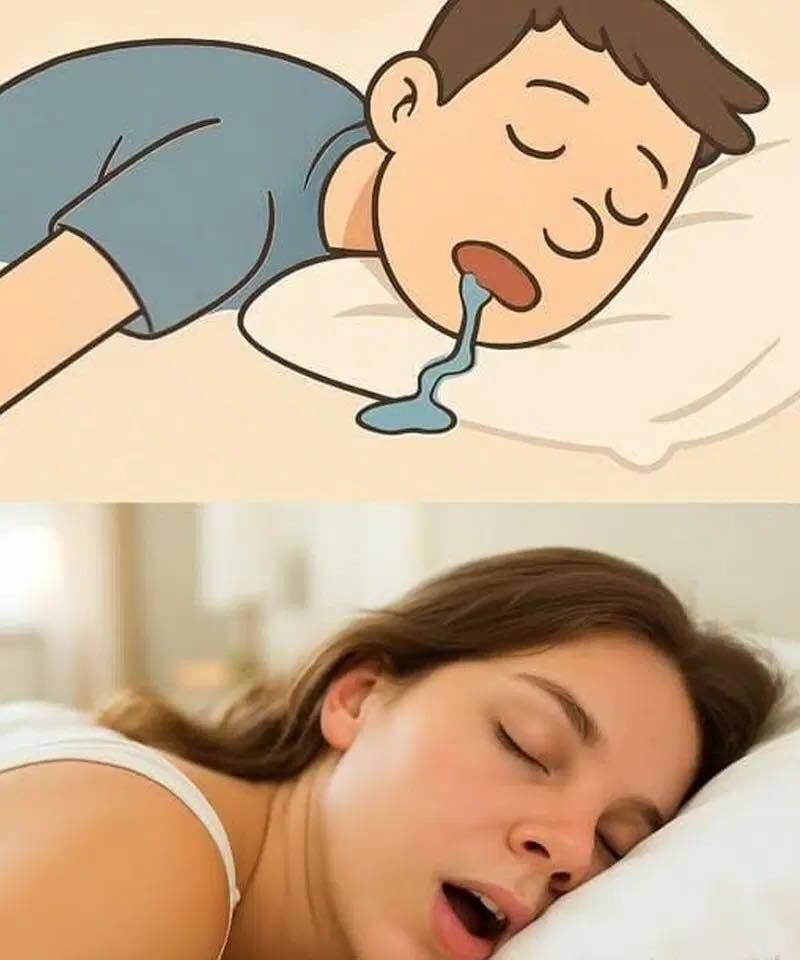
1/12 Nighttime Drooling: A Common Phenomenon
Nighttime drooling is a common phenomenon that can affect anyone, causing a damp pillow upon waking. Understanding the possible reasons for this excessive salivation is essential.
© Shutterstock
2/12 Sleeping Position and Nighttime Drooling
Sleeping position, particularly sleeping on your side or stomach, can promote nighttime drooling, especially if the nose is blocked, forcing you to breathe through your mouth.
© Shutterstock
3/12 Breathing Problems and Nighttime Drooling
Breathing problems such as nasal congestion or sleep apnea syndrome can increase saliva production, exacerbating nighttime drooling.
© Shutterstock
4/12 Hypersalivation and Its Causes
Hypersalivation can be caused by diet, hormonal changes in pregnant women, or gastroesophageal reflux, all of which increase saliva production. © Shutterstock
5/12 Infections, Allergies, and Nighttime Drooling
Respiratory infections and allergies can cause a stuffy nose, increasing the risk of nighttime drooling.
© Shutterstock
6/12 Medications, Neurological Disorders, and Nighttime Drooling
Certain medications and neurological disorders can cause excessive salivation, such as antipsychotics or Parkinson's disease.
© Shutterstock
7/12 Change Position to Reduce Drooling
Changing your sleeping position, especially sleeping on your back, can reduce nighttime drooling. Using a supportive pillow can make this transition easier.
© Shutterstock
8/12 Treat Breathing Problems
Treating breathing problems with decongestant sprays or antihistamines can help reduce nighttime drooling. A medical diagnosis is essential for sleep apnea.
© Shutterstock
9/12 Reduce Food-Related Excessive Saliva
Avoiding spicy or acidic foods can reduce excessive salivation. Consulting a doctor for appropriate treatments for gastroesophageal reflux is advised.
© Shutterstock
10/12 Exercises for Neurological Disorders
Orofacial exercises under medical supervision can improve muscle control for those with neurological disorders, thus reducing drooling.
© Shutterstock
11/12 Medical Solutions for Severe Hypersalivation
In severe cases of hypersalivation, botulinum toxin injections or surgical interventions may be considered to reduce saliva production.
© Shutterstock
12/12 Consult a Doctor for Chronic Drooling
Consulting a doctor is crucial if nighttime drooling becomes chronic or interferes with quality of life, to identify the cause and choose the right treatment.